Customers help themselves
Subscription management, invoice viewing and data updates happen 24/7 without calling support. Fewer tickets, faster service.

Opus Online, a software development company in Tallinn, Estonia, builds customer and partner portals where orders, invoices, contracts and user management are in one place, such as Äripäev’s business customer portal and the TD Baltic B2B portal for 2,000+ resellers. Customers handle things themselves – your team gets more time for the harder issues.
Let’s talk about which requests your customers could handle on their own.
Subscription management, invoice viewing and data updates happen 24/7 without calling support. Fewer tickets, faster service.
Mass imports, adding users and starting subscriptions happen in the portal. Your team no longer needs to move spreadsheets around.
The portal talks to your ERP, billing and CRM systems. Data is always up to date with no double entry.
Customers see all their subscriptions, start new ones, modify existing ones and track status in real time.
Invoice history, payment status and payment method management in one place. Automated reminders reduce late payments.
Customers add, remove and manage users themselves. Mass import lets them upload hundreds of users at once.
All contracts, terms and documents are accessible in the portal. Digital signing directly from the portal.
Contact details, addresses and preferences updated without support. Changes reach business systems immediately.
ERP, billing, CRM and payment provider connections so portal data is always correct.
We built a self-service portal for Äripäev (Estonia’s leading business media) where corporate customers manage subscriptions, add readers, run mass imports and track invoices. The portal replaced a large part of manual support work and gave customers control over their accounts.
On the B2B side we built a reseller portal for TD Baltic where more than 2,000 business partners see their customer-specific prices, place orders, reserve stock and manage their own users. The portal is integrated directly with Oracle E-Business Suite.
Next.js is a React framework for fast websites, headless online stores and portals that are easy to find in Google.
React is the world's most widely used library for user interfaces, behind fast web apps, portals and self-service environments.
Node.js is server-side JavaScript we use to build fast backends, APIs, integrations and applications that scale well.
We have extensive experience in developing IT software and e-commerce solutions for businesses, spanning from the financial sector to insurance and pharmaceutical industries. We serve as a long-term partner for both large corporations and rapidly growing startups.
 LHVWe had a unique opportunity to build a business-critical application for LHV Kindlustus to help their business grow.Read more
 Äripäev: a rebuilt news site and custom CMS that is faster and costs several times less to runThe aripaev.ee frontend rebuilt from scratch, a custom CMS for the newsroom and cloud costs cut several times over.Read more
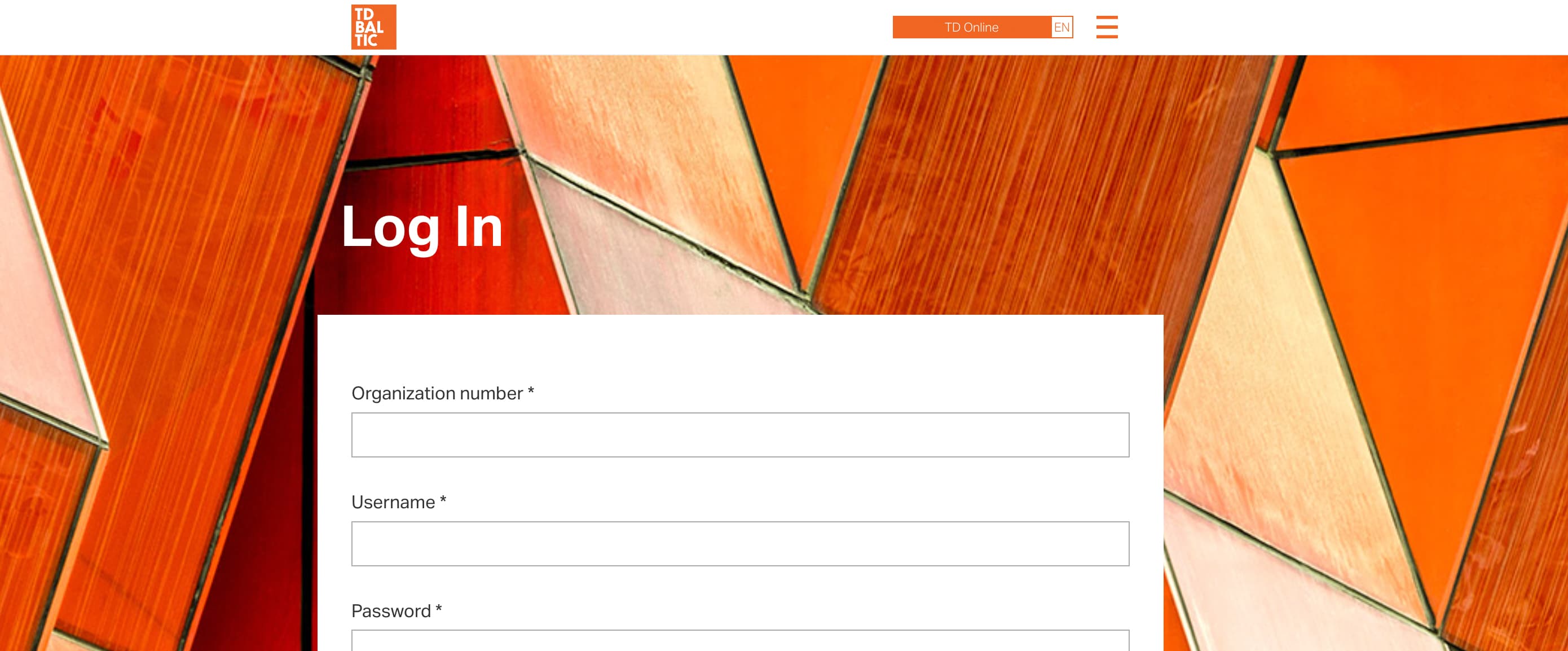 TD Baltic: a B2B portal for 2,000+ resellers running directly on the ERPA B2B portal for 2,000+ resellers in the three Baltic states, running directly on the ERP, with self-service reservations.Read more
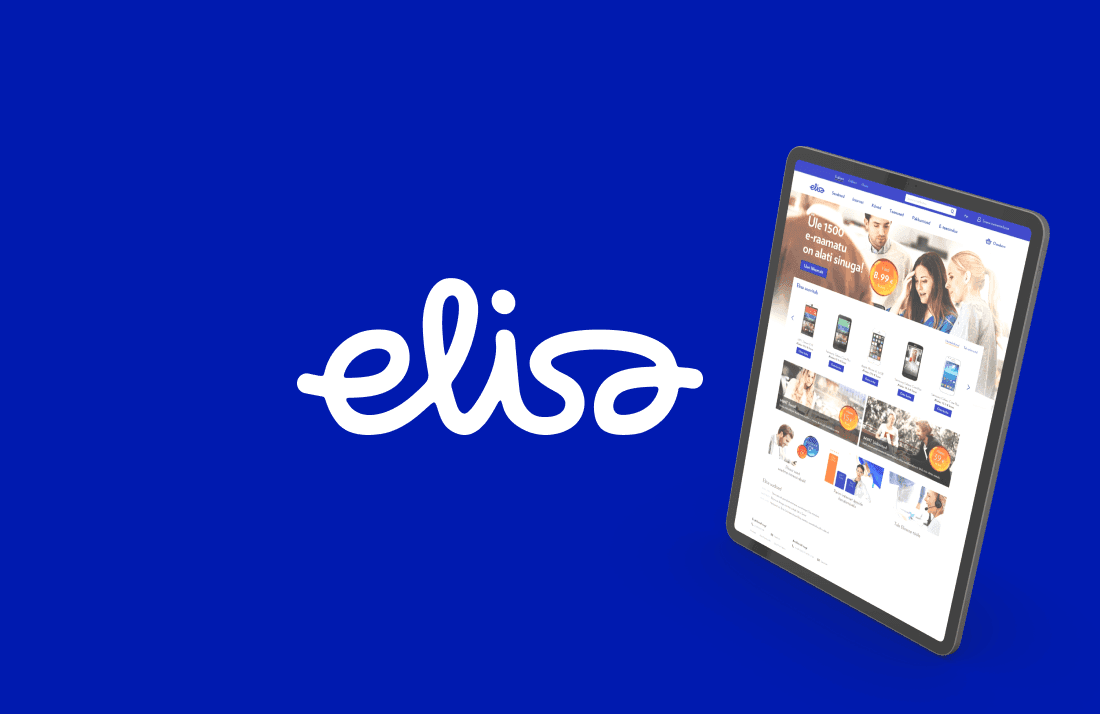 ElisaOpus created a technical solution for Elisa’s website, online store and self-service portal. Our team also works with Elisa to improve the site every day.Read more
You communicate directly with the people who build your solution, not intermediaries.
We map which recurring tasks put the most load on your customer support.
Integrations with existing systems, user journeys and security requirements.
A simple and clear interface that customers understand without a manual.
A working release every couple of weeks with continuous feedback.
Security, performance and accessibility before launch.
Monitoring, security updates and further development.
A first working version is typically ready in 2–4 months. A more complex portal with many integrations may take longer. We provide an accurate timeline after analysis.
Yes. We have integrated portals with various ERP, billing and CRM systems. If your system has an API, we can connect it.
We are ISO 27001 certified. We use secure authentication, data encryption and role-based access. Personal data processing follows GDPR requirements.
Yes. We build mass import features where customers upload a CSV or Excel file and the system validates and processes the data automatically.
Yes. We start with an audit of the existing solution and propose a plan for improvements.
Planning a self-service portal or looking to further develop an existing solution? Write to us and we’ll discuss what works best for you.